
The power of word-of-mouth marketing, part 1

Word of mouth is a powerful, fundamental marketing tool, perhaps the most fundamental of all, for growing your restaurant's reputation and customer base. In hospitality, people talking about positive experiences matters especially, since a substantial share of new guests choose where to eat based on recommendations. But what is word-of-mouth marketing, and how can you make the most of it?
The benefits of word-of-mouth marketing
Credibility is one of its greatest benefits. People generally trust a friend or family member's recommendation much more than a direct advertisement. When a satisfied guest shares a positive experience, it almost automatically increases trust in and attraction to your restaurant. Personal recommendations are based on direct experience, and people usually assume, often rightly, that they lack the hidden agenda of conventional advertising. Alongside friends and family, experts and opinion leaders are generally considered credible sources. An influencer's recommendation must feel authentic, however, or it easily becomes advertising in the audience's eyes. Even devoted followers may then disbelieve them on that subject.
Cost efficiency is another important advantage. Traditional advertising and campaigns demand ever-growing budgets, while word of mouth has virtually no direct cost. You only need to provide excellent service, and guests do the rest. Of course, it is not that simple, and reaching that service standard costs a great deal. Even so, it is an investment that is sure to pay off.
That return comes from the long-term results word of mouth delivers. A well-designed campaign can attract attention quickly, but recommendations remain effective over time. Satisfied guests bring new guests, creating a chain reaction that supports lasting, sustainable business growth.

The role of servers and the importance of training
Servers are the face of your restaurant and interact directly with guests. In a sense, you employ them, but they work for your guests. Their position makes it easy to gain guests' trust and goodwill, or provoke dislike that naturally reflects on your brand. Their work therefore fundamentally shapes experiences and opinions, making proper training extremely important. Alongside professional knowledge, servers need to develop communication and problem-solving skills. This is not easy. We recognise the realities of staff shortages, high turnover and often poorly trained, unmotivated workers. Because the subject matters so much, we will cover it separately in the second part of this series.
A well-trained server is polite, attentive and proactive, which contributes greatly to guest satisfaction. Satisfied guests are more likely to recommend the restaurant, further strengthening word of mouth.
How to encourage word-of-mouth marketing
The first step is excellent service. Satisfied guests enjoy telling others about positive experiences. Make sure every guest receives special attention and that you consider every detail. Again, that is easier to write than to achieve, and excellent service has no objective measure. We will discuss this further in the next part.
Second, provide a memorable experience, whether through a special dish, a distinctive atmosphere or exceptional service. The more memorable it is, the more likely guests are to talk about it. They do not even need to make an explicit recommendation. Positive accounts of an experience act as recommendations themselves. Who wants to miss something good?
Third, encourage guests to share their opinions through social media, review sites or feedback cards in the restaurant. An active presence and guest interaction increase your brand's visibility and engagement.
Tips for encouraging reviews
Reward reviews
For example, offer a discount or next-visit voucher to guests who review your restaurant online.
Social media
Encourage guests to take photos at your restaurant and share them on Instagram or Facebook, tagging the restaurant.
Review sites
Create short, memorable links directly to your restaurant's review pages on Google, TripAdvisor or Facebook. Put them on your website, social profiles and printed materials.
QR codes
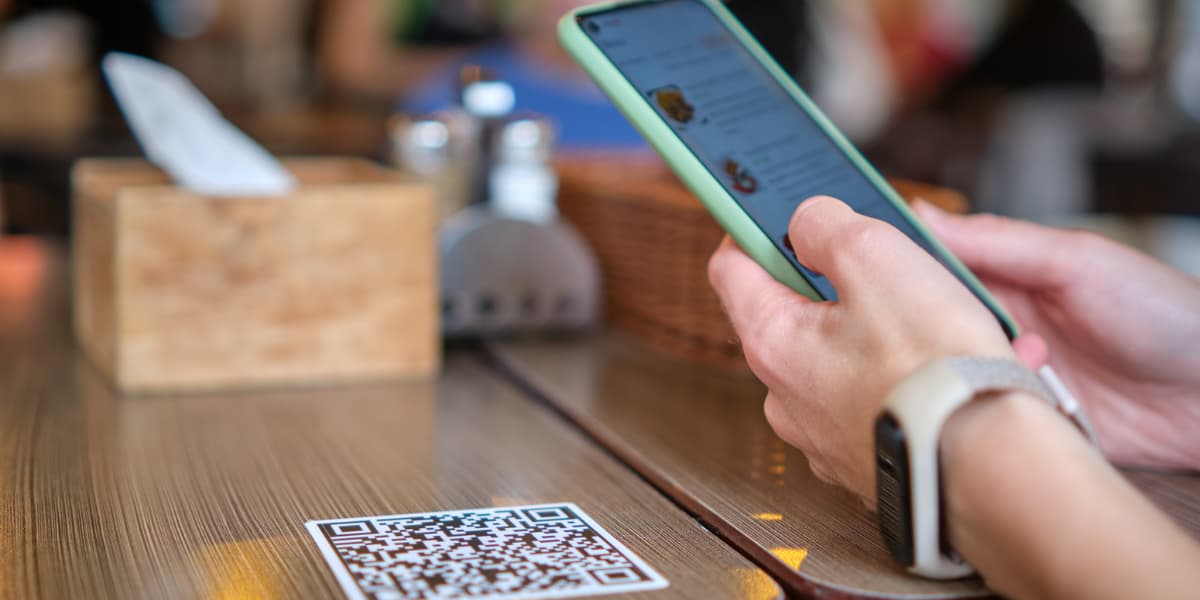
Place QR codes on tables that take guests directly to review pages when scanned.
Table cards
Put feedback cards on tables so guests can write their opinions immediately. You can later upload these to online review sites too. Some restaurants use paper placemats or disposable tablecloths for this. Remember to provide something to write with.
Friendly reminders
When presenting the bill, servers can remind guests to leave feedback with a simple, friendly request: "We hope everything was fine and you enjoyed the food. We would be grateful if you shared your experience online too!" The QR code on the table could help here.

Differences between delivery and dine-in restaurants
Delivery and dine-in businesses operate differently and offer different word-of-mouth opportunities. For delivery businesses, the whole process happens through digital channels. Guests order online, review the food and service, and often share experiences on social media. A strong digital presence and active monitoring of and responses to online reviews are therefore important. We will discuss ways to improve the digital guest experience in detail in the next part too!
For dine-in restaurants, personal experience and direct relationships matter most. Atmosphere, service quality and personal interactions shape opinions. Well-trained servers and special treatment for guests are particularly important in this model.
Tools and techniques
Online opinions and reviews play a major role in word of mouth. Encourage guests to share experiences on Google, TripAdvisor and other review sites. Positive reviews attract new guests and improve your online reputation. We covered these platforms in earlier posts: The art of using TripAdvisor, An old friend with a new look: Google My Business.
A social media presence is essential in modern marketing. Use Facebook, Instagram and TikTok to reach your audience. Post regularly, answer comments and share guest-created content. We have just written a three-part Facebook marketing crash course: A crash course in restaurant Facebook marketing, part 1
Summary
Word of mouth is an effective, economical way to grow your restaurant's reputation and customer base. Credibility, long-term results and cost efficiency can all support substantial growth. Focus on excellent service and memorable experiences, and encourage guests to share their views. Use online reviews, social media and loyalty programmes to benefit from word of mouth. Remember, the next part is coming soon with plenty of useful tips. The ORSYS knowledge base will be waiting for you!
Last updated:
Do you need professional software?
Try it without commitment and request our free demo.
- Simple to use and quick to learn,
- Professional solutions for every size,
- Saves time and energy for you and your team.