
The power of word-of-mouth marketing, part 2
In part one, we explored the benefits of word-of-mouth marketing and established that guests can be your best marketers. You only need to provide excellent service. We discussed servers as your first line of contact and the face of your business, how to encourage guest reviews, and how word of mouth differs between table-service and delivery restaurants. Now we owe you some practical tips and advice.
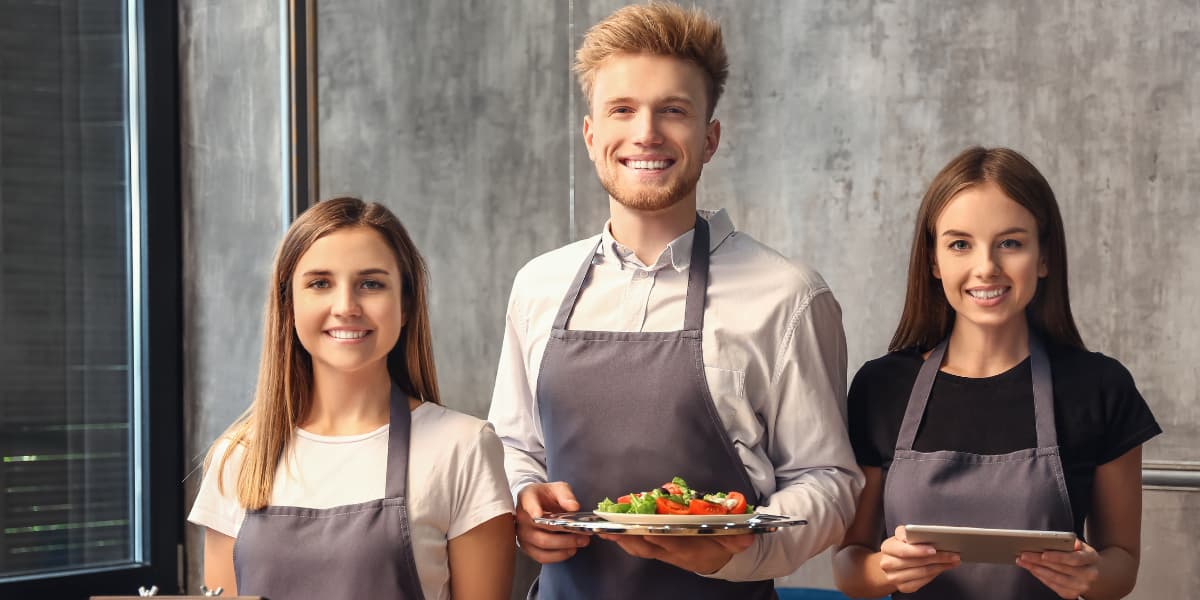
Training and motivating servers
The formula is simple: excellent service. One of its most important elements, perhaps the most important, is servers who represent your restaurant credibly, communicate effectively and positively, and stay informed and helpful.
Empathy and politeness: Teach servers how to treat guests empathetically and politely. Empathy helps them understand needs and expectations, while politeness supports a pleasant experience. Servers must identify with this approach, or it becomes uncomfortable affectation. Active listening is an excellent tool. Develop it so they understand requests and problems accurately, avoid misunderstandings and increase satisfaction. Most problems arise when servers do not give guests enough time or pay attention to what they ask.
Role-playing exercises: Organise exercises in which servers solve different problems. Simulating real situations helps them learn effective responses.
- Example exercise
The trainer, whether a manager or professional communication specialist, prepares a common complaint scenario. For example, "The guest is unhappy with the food and says it was cold when served."
The person playing the guest prepares the complaint details and the reactions they expect from the server. - Acting out the situation:
The person playing the guest sits at a table and calls the server over to complain.
Such an exercise can feel artificial, especially if it is new to the team, and colleagues may resist it to different degrees. Only management can effectively help overcome that resistance.
Motivation and rewards: Expectations should be accompanied by recognition and rewards. Assess servers' performance regularly and give feedback to identify improvements and motivate better performance. Recognising and rewarding excellent work is essential. Verbal encouragement alone can mean a lot, though management can also introduce bonuses. Guests themselves will probably reward improvement most directly through tips, allowing colleagues to see the benefits. Recognition and rewards motivate servers and increase job satisfaction. Saying "That is what they are paid for" never helps, because it will not produce real progress.
Team-building and open communication: Arrange regular team activities to strengthen team spirit and positive cooperation. Encourage open communication so servers can share ideas, feedback and problems with management. This reassures colleagues that you see them as team members, value their perspective and communicate in both directions.
Reducing colleagues' workload: Alongside all this, or before it, servers need time and energy to absorb and adopt the training. A fair objection often arises: staff are already overloaded, turnover is high and training new people takes time. Automating time-consuming, repetitive processes is an excellent solution. It frees valuable time for useful work such as marketing or the training discussed above.
Consider a digital menu managed through restaurant software compared with a traditional menu. In many places, menu updates cause serious problems for weeks while everyone learns every new item. Some printed menus do not even include all required and optional information, leading to refunds and compensation that waste time and money. Professional restaurant software lets you configure your entire menu, every item and all its details: price, promotional price, VAT, packaging fee and much more. After an update, every colleague accesses the same interface, removing mistakes caused by not knowing or forgetting. Morning meetings no longer need to cover the menu in detail or pass on every small piece of information. Staff do not even need to memorise which VAT rate applies to which product, making new hires easier and less worrying.
This saves time, reduces errors to virtually zero and gives servers more mental capacity because they no longer have to worry about the menu. Even this small improvement offers a substantial advantage. You can spend the time saved on training, while the digital menu leaves servers more energy for empathetic, professional communication. They do not have to list allergens for guests from memory.
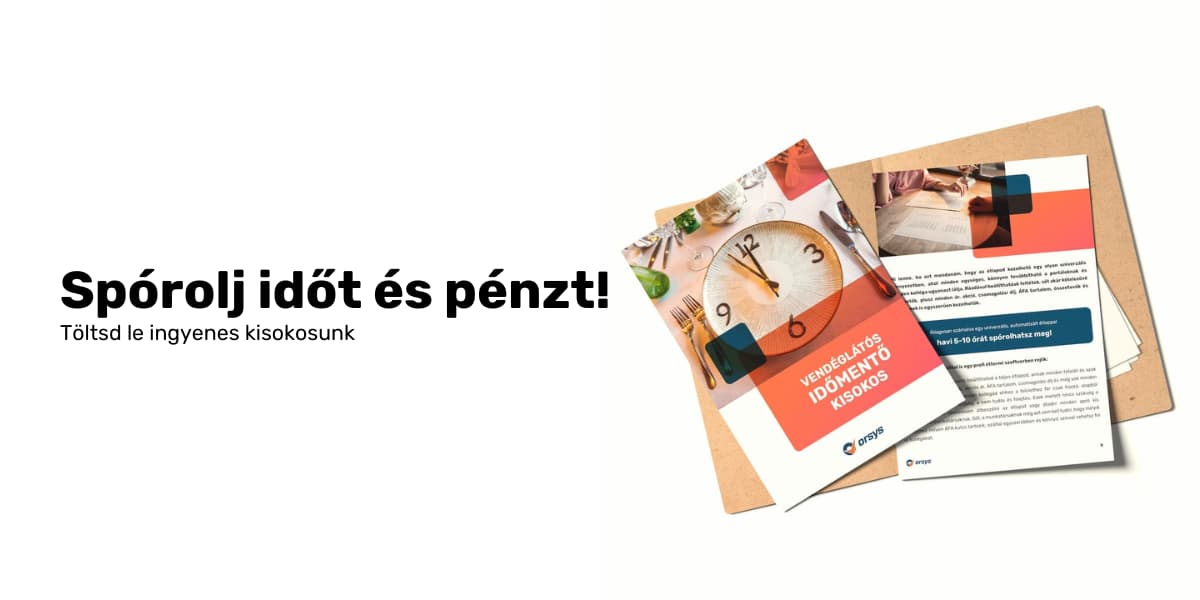
If you find these tips useful and want to learn more about saving valuable time by automating daily processes, we recommend our Hospitality time-saving guide!
The 35-page Hospitality time-saving guide uses practical examples like the one above to show, step by step and often minute by minute, how much time professional restaurant software can save by automating repetitive work. That time can become a concrete benefit when spent on server training, marketing or a better guest experience. After all, excellent service is the basic goal!
If you found this post useful, we recommend reading the Hospitality time-saving guide too and getting the most from your business!
Last updated:
Do you need professional software?
Try it without commitment and request our free demo.
- Simple to use and quick to learn,
- Professional solutions for every size,
- Saves time and energy for you and your team.