
Differences between delivery and dine-in restaurants and their effect on marketing, part 2
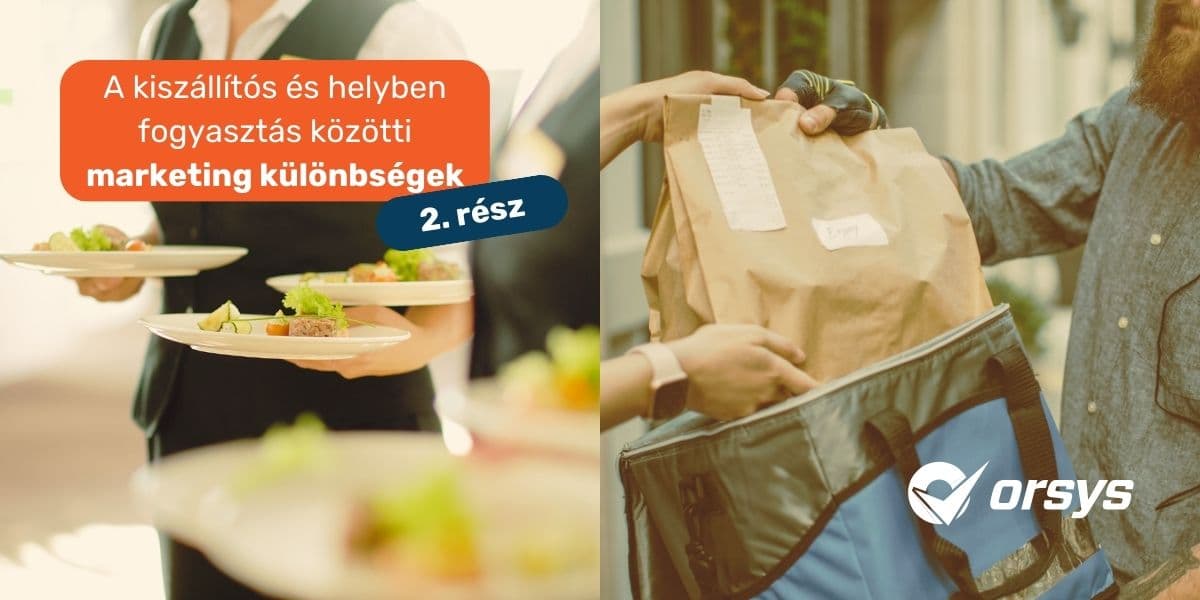
The previous part covered the guest experience, service processes, logistics and basic marketing strategies. Now we examine further differences and similarities between the two models.
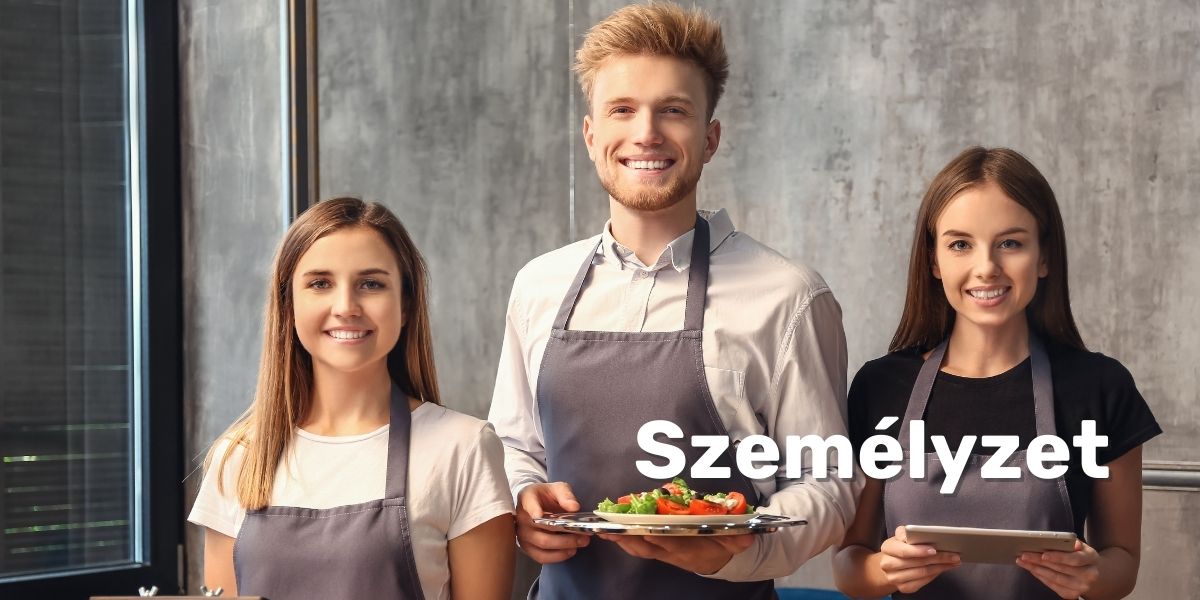
Staff and training: different service requirements
Dining in and delivery require different staff training. In dine-in restaurants, servers learn direct guest interaction, communication skills and detailed menu knowledge. They need to recommend dishes, handle complaints and provide quick, polite service.
Delivery training takes a different direction, focusing on couriers and staff managing online platforms. Couriers must work quickly and efficiently, know the delivery area and communicate appropriately with guests. The online-order team must record orders accurately and make sure deliveries are correct and punctual. Professional restaurant software such as ORSYS helps greatly by reducing the team's workload, automating administration and eliminating the possibility of human error.
Training dine-in servers is more complex because their work has several dimensions. A well-trained server develops detailed food knowledge and polite, empathetic guest relations. This includes conflict management, problem-solving and smooth teamwork under pressure. These skills are essential because personal experience strongly affects satisfaction and loyalty. Rewards therefore deserve as much attention as expectations. We previously collected useful advice here: How to motivate employees: 5+1 tips that really work
Delivery tasks are simpler in nature because direct interaction with guests is minimal. Training focuses more on accuracy, time management and operating the technology. Couriers also need local knowledge, fast navigation and efficient handling of delivery processes.
The role of technology
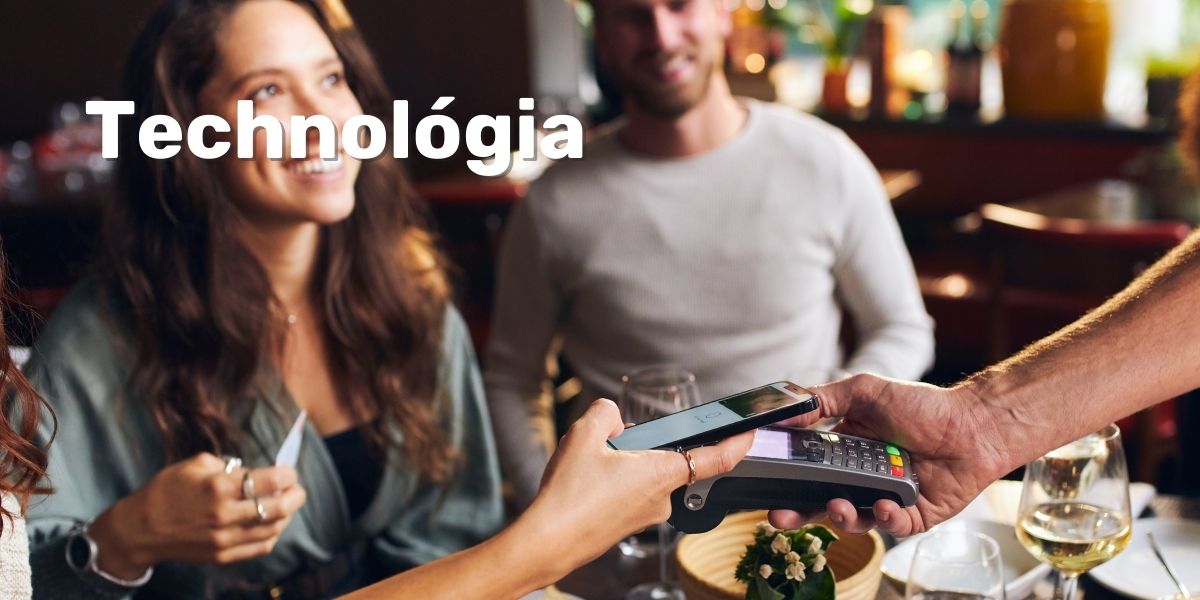
The differences extend to technology. A simpler POS system for quick payments and order taking may suffice for dine-in restaurants, while delivery models need more complex solutions. Digital ordering platforms such as Foodora, Wolt or in-house systems are central to processing and tracking orders and coordinating deliveries.
Professional systems such as ORSYS Restaurant Software handle orders smoothly, provide accurate data reporting and support optimal stock management. They minimise human error, saving time and resources and substantially improving cost efficiency. Online ordering systems must be reliable to provide a smooth experience and avoid losing guests through complicated or faulty processes.

Challenges in maintaining the guest experience
Maintaining the guest experience is essential in both models, but each faces different challenges. Dine-in restaurants emphasise personal contact and atmosphere, while delivery businesses face time limits and logistical difficulties caused by distance. Different strategies are needed to maintain high standards in each model.
1. Challenges for dine-in restaurants
The greatest challenge is maintaining direct guest relationships and excellent service on every visit. Because guests interact with staff, servers' work directly affects satisfaction. This model faces challenges such as:
- Staff preparedness: Server training covers communication, conflict management and detailed menu knowledge. A well-trained server quickly understands guests' needs and makes everyone feel valued. High staff turnover in hospitality is a serious challenge, however. Training new colleagues takes time and service quality may suffer in the meantime. Continuous training and motivation for long-term development are therefore important.
- Handling immediate feedback: Dine-in guests can give immediate feedback, which can improve or worsen their experience. If a guest is dissatisfied, servers must respond at once and offer a solution. Quick, effective responses help guests leave with a positive impression even when problems arise. Role-playing exercises are especially useful, since prepared responses are easier to use in a real conflict than improvisation. Correct handling can turn most complaints into positive outcomes.
- Maintaining the atmosphere: The restaurant's setting and mood play a major role. Its interior should match the brand and provide a comfortable, welcoming atmosphere. This includes planning lighting, music, table layout and other details to help guests feel at ease. Any detail that misses expectations, such as loud music, uncomfortable chairs or a dirty table, can damage the experience.
2. Challenges for delivery restaurants
Logistics and technology are the main challenges for delivery businesses. Guests have no direct restaurant contact, so their experience largely depends on delivery speed, food quality and straightforward online ordering. The main challenges are:
- Preserving food quality: Distance and travel time can seriously affect food. Dishes must remain fresh and arrive at the right temperature, which is especially challenging for food best eaten freshly prepared or crisp. Suitable packaging and quick delivery are essential. Late or poor-condition food can immediately prompt negative online feedback.
- Punctuality: Guests expect food on time. Late delivery frustrates them and can damage the restaurant's reputation. Deliveries must be fast and punctual, with real-time tracking so guests can see when their food is due. Such systems reduce uncertainty and improve satisfaction.
- Online ordering and technology: Delivery businesses depend heavily on online platforms and digital ordering systems. Faulty or unfriendly systems can drive guests away. Slow or complicated ordering frustrates people, so smooth operation is essential. Systems must be fast, reliable and easy to use. If guests encounter errors or cannot order simply, they will probably choose another restaurant. Test your own system thoroughly and involve experienced testers to uncover navigation problems.
- Handling order errors and feedback: Without direct contact, correcting orders and managing feedback is harder. Guests often comment online, and a failed order can easily lead to a negative review because there is less opportunity to resolve the complaint immediately and prevent a bad experience. Monitoring feedback and regularly answering both positive and negative reviews can partly offset this. If a guest first complains through a direct channel such as phone or email, rather than a platform, take it seriously and try to resolve it. This can achieve the same effect as complaint handling in dine-in restaurants.
- Courier preparedness: Accurate local knowledge and effective time management are essential. Couriers unfamiliar with the area or unable to navigate traffic quickly can cause delays and mistakes. They must be prepared for logistical challenges and handle orders efficiently so food arrives on time and in good condition. In most cases, couriers do not work directly for the restaurant and unfortunately represent its brand less closely. Yet rudeness, lateness or carelessness from a courier can damage the restaurant's reputation as much as an unprepared server.
Summary
Differences between dine-in and delivery hospitality substantially affect operations, marketing and staff training. Dine-in models rely on personal relationships, hospitality and direct service, while delivery restaurants emphasise technology, logistics and the online experience. Success depends on meeting those differing needs and using each model's characteristics to improve guest satisfaction. ORSYS and similar systems can support both, making it easier to improve operations and the guest experience.
Last updated:
Do you need professional software?
Try it without commitment and request our free demo.
- Simple to use and quick to learn,
- Professional solutions for every size,
- Saves time and energy for you and your team.