
Differences between delivery and dine-in restaurants and their effect on marketing, part 1
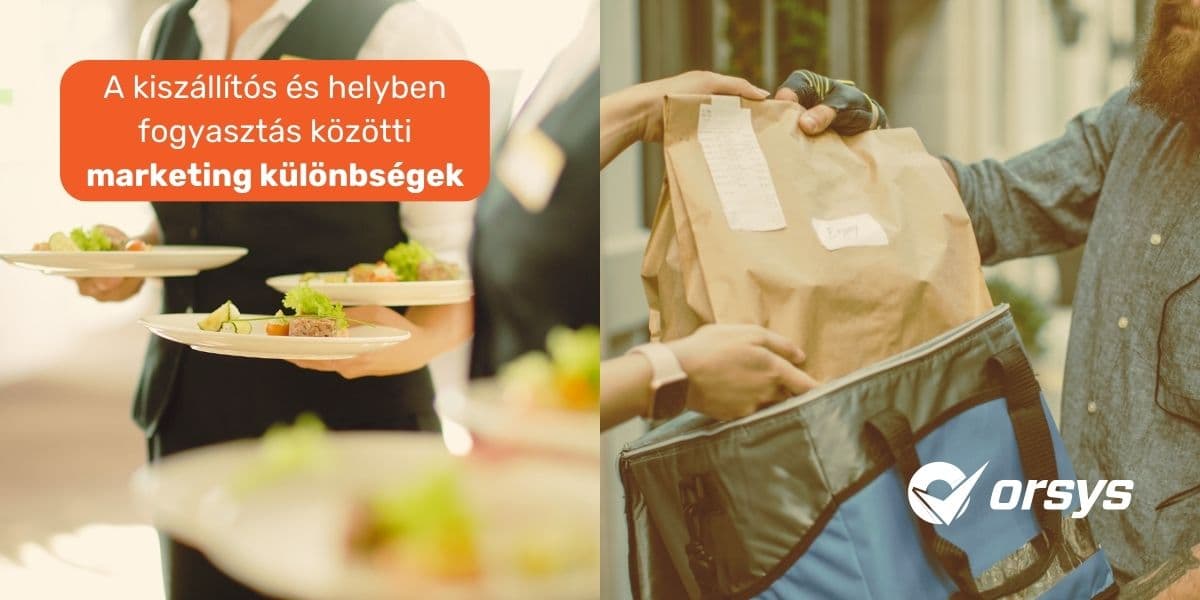
Modern hospitality has two distinct operating models: restaurants specialising in dining on the premises and businesses based on online orders and home delivery, as well as combinations of the two. Each brings different challenges and opportunities and fundamentally affects marketing strategy, staff training and the guest experience. This article reviews the key differences between these two models and explains how to use them when developing a marketing strategy.
The guest experience: differences between dining in and delivery
The guest experience differs substantially between dining in and delivery. In dine-in restaurants, guests can build direct relationships with staff and enjoy the atmosphere. With delivery, the experience focuses much more on technology and food quality. Both models succeed according to how well the restaurant meets their particular requirements.
Dine-in venues put considerable effort into their surroundings, direct service and making each visit distinctive. This includes selecting and training polite servers who know the menu inside out and respond immediately to guests' needs. Empathy and personal relationships are central to hospitality and encourage return visits. Active listening, detailed food knowledge and quick problem-solving are essential skills.
In delivery restaurants, the guest experience happens largely through technology. Food quality, delivery speed and a simple online ordering system take priority. The experience starts with online platforms such as Foodora, Wolt or Éhenhalok, where accessible menus, the ordering process, easy navigation and straightforward payment options matter most. Guests interact with a digital interface rather than directly with the restaurant, making a smooth process critical. Professional restaurant software such as ORSYS can help greatly.
Service processes and logistics
The delivery model creates substantial logistical challenges, especially around punctuality and speed. Restaurants must get food to guests in good condition, requiring specialised packaging and delivery logistics. Time is critical. Late delivery can, and to be direct, does, harm customer satisfaction and loyalty.
Dining in presents fewer logistical challenges because food is prepared and served where it was ordered. Other issues arise, however, such as managing waiting times, table turnover and on-site services.
Professional restaurant software such as ORSYS helps both models manage administration and operations, including inventory, order tracking and courier tracking. Automated systems reduce human error and support more efficient operation.
Marketing strategy: how do the models differ?
Dine-in and delivery marketing strategies differ fundamentally because each model responds to different needs and expectations. Choosing the right strategy is essential to success. Below, we explain those differences and the elements to consider in each case.
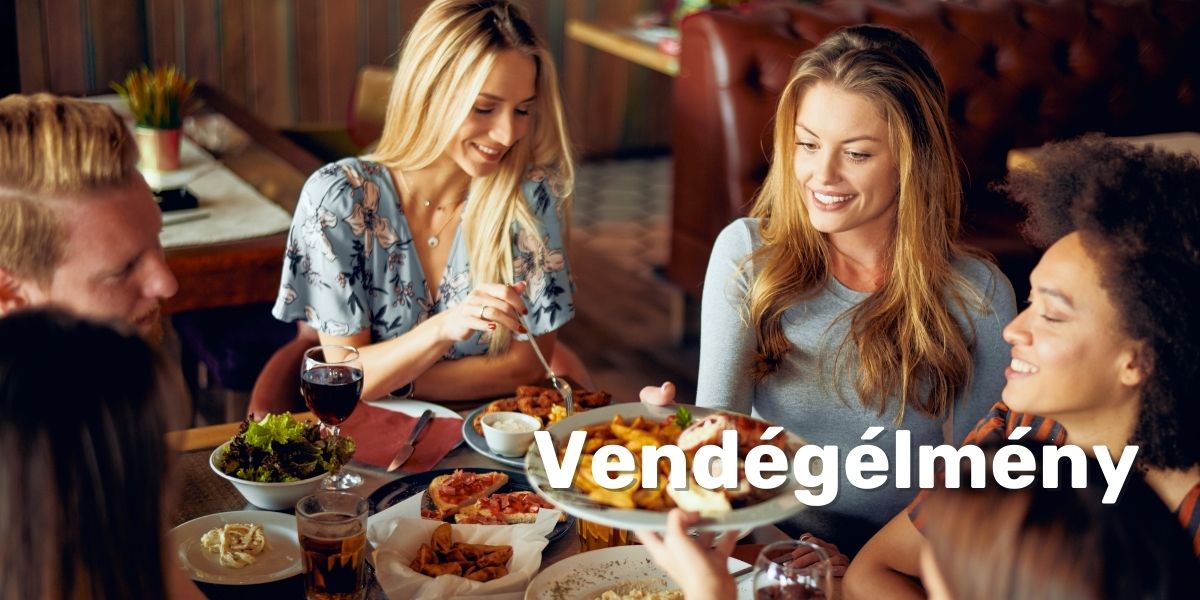
Dining in: marketing built around the guest experience
Dine-in restaurant marketing relies primarily on personal experience and direct guest relationships. These restaurants work to give guests a pleasant setting and a positive experience. The strategy can include several elements:
- Local events: Dine-in restaurants often hold local events, food evenings or themed dinners to create a special atmosphere. These occasions attract the local community and improve the restaurant's standing.
- Word-of-mouth marketing: Positive guest experiences are central to word of mouth. Satisfied guests readily recommend restaurants to friends and acquaintances, and those recommendations can greatly increase sales.
- Community events and partnerships: Working with the local community and sponsoring local events can make the restaurant more widely known. This matters especially in smaller towns, where community ties are particularly influential.
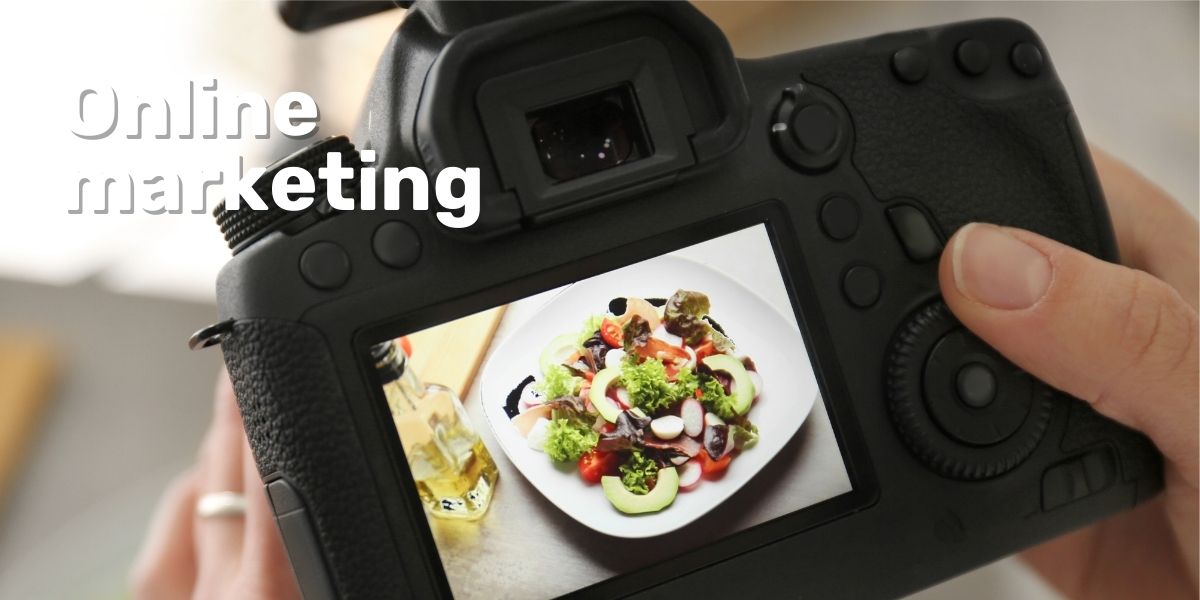
Delivery restaurants: online and digital marketing take the lead
Delivery marketing has a very different focus. Online and digital tools take priority because guests interact with a platform rather than directly with the restaurant. The following strategies matter for delivery businesses:
- Website and online ordering: A reliable, user-friendly website and ordering interface are essential. An accessible menu, quick ordering and varied payment options all improve satisfaction. An optimised website with simple navigation makes ordering easy. Professional restaurant software offers considerable help.
- Social media and digital presence: Platforms such as Facebook, Instagram and TikTok are critical for delivery restaurants. They support brand building and promotion of discounts, new dishes and special offers. A consistent online presence and interactions attract guests, especially with visually appealing content. We previously published a three-part Facebook marketing series: A crash course in restaurant Facebook marketing, part 1
- Hyperlocal marketing: Geographically targeted ads are highly effective for delivery restaurants. They focus precisely on the areas the restaurant serves. This reaches the right audience and concentrates the marketing budget more effectively.
- Targeted promotions and discounts: Digital promotions such as reduced delivery fees, first-order discounts and dish-of-the-week offers are proven ways to increase sales. They attract new guests and encourage regular ordering.
- Loyalty programmes and regulars: Many restaurants introduce loyalty programmes offering discounts, individual deals and gifts to retain and motivate regulars. Digital tools make these easy to personalise through birthday discounts, VIP memberships or access to exclusive events.

Common ground: word of mouth and online reviews
Word-of-mouth marketing is especially important in both models. Guests often choose which restaurant to trust based on online reviews. Restaurants therefore need to monitor and respond actively to feedback and address negative opinions.
Positive online reviews can improve a restaurant's reputation and affect long-term loyalty. Google My Business, TripAdvisor and social media are essential for every restaurant as primary sources of recommendations. We previously devoted two-part series to Google My Business and TripAdvisor: An old friend with a new look: Google My Business, part 1, The art of using TripAdvisor, part 1.
We hope you found this article useful. The next part is coming soon!
Last updated:
Do you need professional software?
Try it without commitment and request our free demo.
- Simple to use and quick to learn,
- Professional solutions for every size,
- Saves time and energy for you and your team.