
Restaurant marketing 2024: trends and directions
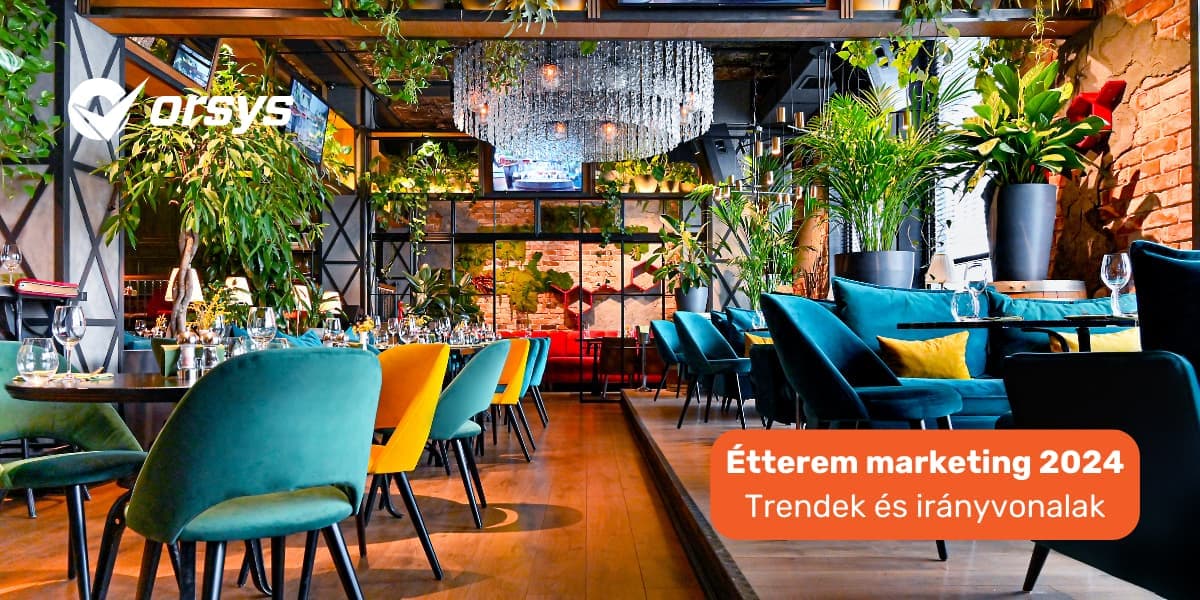
Restaurant marketing keeps changing as new technologies and consumer habits emerge. Those changes have accelerated further in recent years. In this post, we aim to present the main restaurant marketing trends worth watching so that you can keep pace with competitors and steadily expand your customer base.
I. Digitalisation and a stronger online presence
The role of websites
Restaurants now need a professional, user-friendly website that does more than statically display the menu, address and opening hours. It should also support online reservations and ordering, increase basket values and create personalised offers. We often see this among our partners too: they have a website, but at best use it as a business card or flyer. A well-functioning restaurant website in 2024 needs to perform a much wider range of tasks.
At a minimum, a website should be responsive to improve the user experience, working well on every device, including phones, tablets and desktop computers. Yet we often find that while the desktop version more or less works, the mobile version barely functions and is not responsive, making for a poor user experience. Today, the mobile version should take priority because most users arrive on these devices. Online ordering and payment should also be simple and fast, so complicated or lengthy processes do not cost you guests. Include as many sales-supporting functions as possible, such as suggesting a soft drink or dessert with an order. In other words, help increase basket value!
Social media presence
Social media platforms, particularly Facebook and Instagram, continue to play a central role in restaurant marketing communication. Facebook is still by far the most visited social media platform in Hungary. Although a trend report in 2024 should mainly focus on TikTok, we see that Hungarian business owners still have plenty to learn about effective social media communication, with video content presenting an additional challenge. We therefore believe that media consumption does not yet necessarily require a deep commitment to TikTok, while business content production is not yet at a stage where companies can confidently approach a new, demanding platform aimed at Gen Z and younger audiences.
A business building a strong online presence should already be aiming for interactive content in 2024. Interactive, visually appealing content, such as live videos, stories and shared customer reviews, increases engagement and organic reach. Active social media use lets restaurants build direct relationships with guests. Regular updates about new dishes, offers and events increase loyalty and interest in the restaurant. Sharing and promoting content created by guests, such as food photographs and reviews, also makes communication more credible.
For a closer look at the subject, read our extensive three-part series on Facebook marketing for restaurants!
II. Hyperlocal marketing
Targeted advertising
Hyperlocal marketing lets restaurants reach nearby potential guests with targeted advertising. Geotargeting technology places ads precisely where they have the best chance of attracting new guests.
For example, a restaurant's ads can appear to users within a certain radius or people who frequently visit restaurants in a particular area. This makes ads more relevant and more likely to result in visits or orders.
Community events and partnerships
Involving local communities, for example by organising events or working with local businesses, can strengthen a restaurant's brand and increase guest loyalty. These events and partnerships make the restaurant experience more personal and memorable.
For example, a restaurant can sponsor local festivals or sporting events, or work with local producers to offer fresh, local ingredients. These initiatives strengthen community ties and support sustainability efforts. This also connects back to interactive social media communication, since the two work very well together.
III. Sustainability and social responsibility
Green marketing
Sustainability is becoming increasingly important to environmentally aware guests. Recyclable packaging, local and seasonal ingredients, and waste reduction initiatives all create a positive impression.
Restaurants should also review their energy use and waste management. Energy-efficient equipment, composting programmes and donating surplus food can all help achieve sustainability goals and provide opportunities for positive PR and meaningful communication in general.
Social responsibility
A restaurant's social responsibility activities, such as charity campaigns, fundraising or supporting community projects, improve its reputation and strengthen guest loyalty. These activities benefit the community and generate positive PR.
For example, a restaurant can regularly host charity dinners and donate the proceeds to a local charity. Such events strengthen community ties and appeal to guests who enjoy supporting a good cause.
IV. Technological innovations
Automation and AI
Restaurants increasingly rely, or can rely, on the practically continuous stream of technological innovations. Automation has been a trend for years, but choosing it can still give a restaurant a competitive advantage. Professional restaurant software can make operators' lives easier with many useful functions. Automating everyday processes saves considerable time and unnecessary expense, reduces errors caused by human oversight to almost zero and actively helps maximise profit.
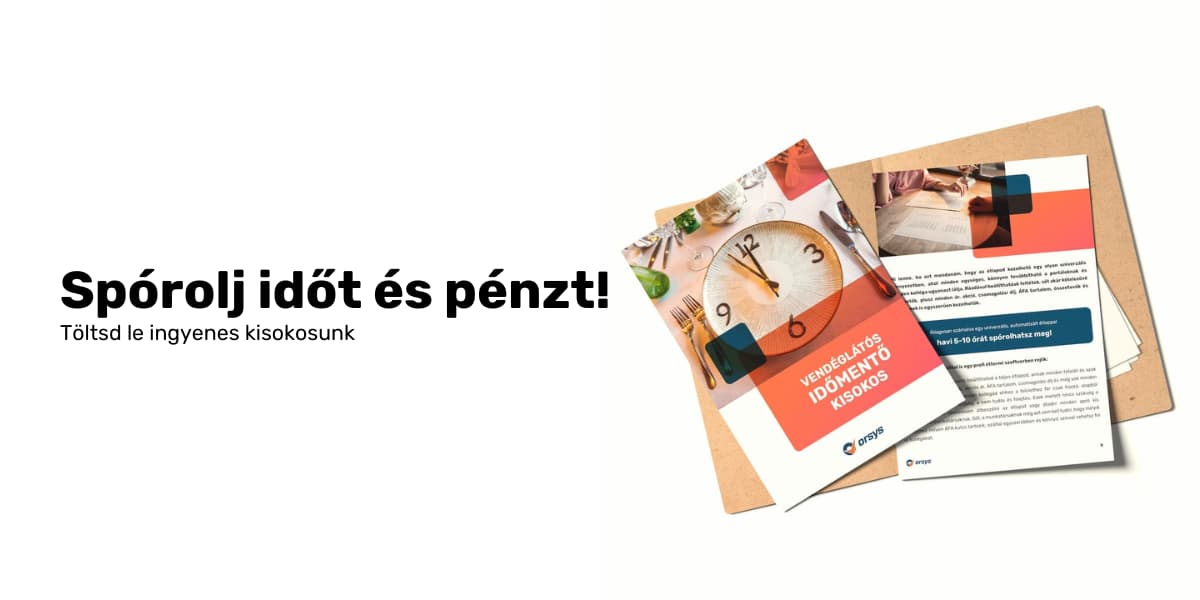
We cover this subject in detail in our latest free Time-saving guide for hospitality businesses, available to download here!
Alongside automation, artificial intelligence is another major technology trend. AI chatbots can help process online orders and answer guests' questions. There are many other areas where small businesses can save labour by using AI. Think of image generators or AI editing tools, which can initially save the work of a graphic designer. Artificial intelligence's impact extends much further, of course, and this trend will certainly become stronger in the future.
Digital payment solutions
Digital payment solutions play an increasingly central role in running a modern restaurant. Technologies such as Apple Pay, Google Wallet, contactless bank cards and QR code payments provide fast, convenient and secure transactions. Online payment platforms such as PayPal, Stripe and Square further improve restaurant efficiency.
Digital payment systems speed up transactions and improve security, while also enabling data collection and tracking that support business decisions. Modern restaurants need to keep their payment systems up to date and adopt the latest technologies to meet guest expectations and increase satisfaction.
V. Experiential marketing and culinary experiences
Distinctive culinary experiences
Guests increasingly seek distinctive, memorable culinary experiences. Restaurants can attract them with special menus, themed evenings and interactive demonstrations that satisfy their appetite for activities as well as food.
They can organise wine dinners with dishes matched to special wines, or themed evenings focusing on one country's cuisine. These events offer cultural experiences alongside culinary ones. This blending of experiences has been a growing trend for years. During a meal, especially on holiday or as tourists, guests seek a broader experience at a hospitality venue beyond the food itself.
Interactive experiences such as a chef's table or open kitchen, where guests can see how food is prepared, increase engagement and satisfaction. They all make a restaurant visit more personal and special.
VI. Data-driven marketing and personalised experiences
Data collection and analysis
Finally, data collection and analysis are becoming increasingly important in restaurant marketing strategies. Data gives us a more accurate picture of guests' preferences, behaviour and needs, allowing us to create personalised marketing campaigns, for example.
Personalised offers
Personalised offers and promotions increase guest satisfaction and loyalty. For example, a restaurant can reward loyal guests with special offers or provide birthday discounts. These personalised experiences increase engagement and guests' willingness to return.
We hope this article was useful to you too. We will be back soon with the next Knowledge base instalment!
Last updated:
Do you need professional software?
Try it without commitment and request our free demo.
- Simple to use and quick to learn,
- Professional solutions for every size,
- Saves time and energy for you and your team.