
Developing a vegan and vegetarian menu: go beyond the bare minimum and profit from it!
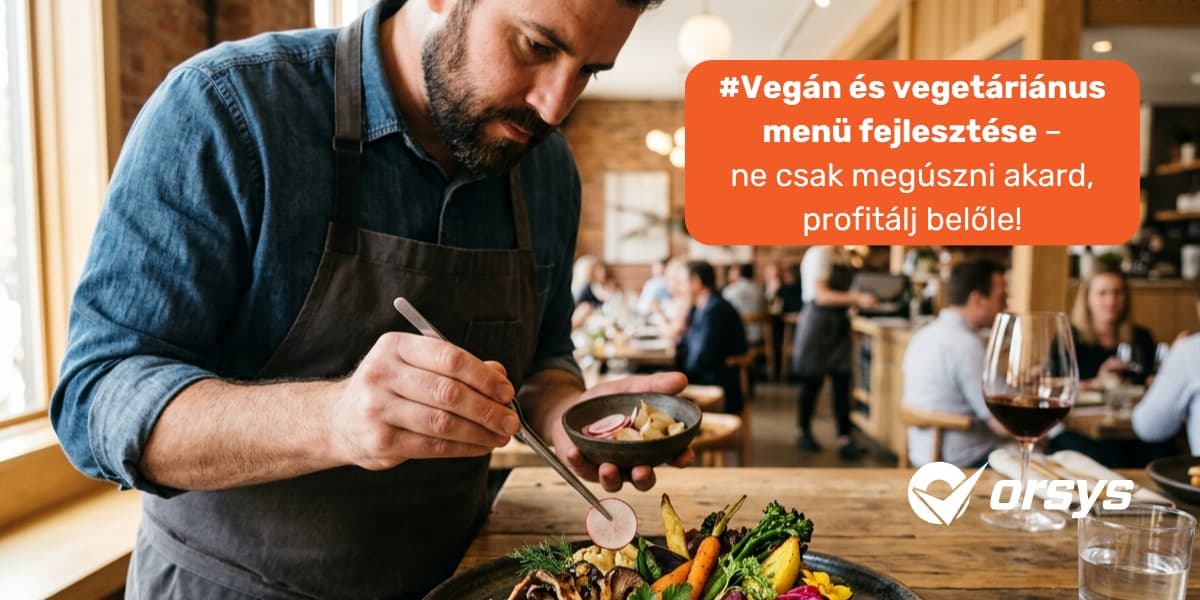
Plant-based eating has been a growing major trend for years, and remains a substantial business opportunity for Hungarian restaurants in 2026. If you have assumed that a vegan menu serves only a narrow audience, it is time to reconsider. The figures speak for themselves: the global plant-based food market is projected to grow from USD 20.18 billion to USD 55.42 billion by 2035, an annual increase of more than 10%. The question is how to introduce plant-based options intelligently so they genuinely generate profit.
Why act now?
The market is expanding rapidly
The Asia-Pacific region has an annual growth rate of 11.52% in plant-based foods, while North America leads with a 37% market share. Hungary's market is less mature, so you can still be among the first to incorporate vegan and vegetarian options authentically and profitably.
The audience extends beyond vegans
The biggest mistake is to think only of people following a strictly plant-based diet. The real target audience is flexitarians, who are not vegan but increasingly choose plant-based meals for health, environmental or ethical reasons. A 2022 survey found that 75% of consumers expect plant-based dishes to be widely available in most restaurants by 2030.
Profits are higher too
According to experts, a well-designed plant-based dish can sell for the same price as its meat equivalent while achieving a higher margin because of lower ingredient costs.
Practical steps to get started
Do not create a separate vegan menu
This is one of the most common mistakes. Placing vegan dishes in a separate section or menu almost guarantees that non-vegan guests will overlook them. One study found that an integrated menu increased vegetarian choices among meat eaters by 100%. The sensible approach is to place plant-based dishes among the other dishes on your regular menu.
The swap method
The easiest first step is to consider how existing dishes could become plant-based. A Caesar salad may normally come with chicken breast, but you can also offer it with tofu, tempeh or generously seasoned grilled mushrooms.
Use appealing descriptions
'Vegan aubergine' does not sell and is poor marketing. The same dish sounds much more tempting as 'Smoky grilled aubergine steak with chilli oil and red onion jam'. Give plant-based dishes their own appeal as interesting, flavourful creations, rather than describing them only as meat-free versions.
Increase their share
If 50% or more of your menu is plant-based, these options feel normal to guests. You do not have to replace every dish immediately, but deliberately increase the proportion. You become a place where plenty of choice for everyone is natural, without necessarily becoming a 'vegan restaurant'.
Use seasonality
One advantage of plant-based eating is that fresh seasonal ingredients offer variety as well as sustainability. Asparagus and peas in spring, tomatoes and courgettes in summer, pumpkin and mushrooms in autumn: guests will appreciate a menu that changes with the seasons.
Maximise profit with accurate calculations
Recipe-based price calculations
An essential part of menu development is knowing exactly what each dish costs to produce. This requires precise recipe management and costing. ORSYS Restaurant Software calculates expected costs automatically from purchase prices and ingredient quantities. If an ingredient such as cashews or avocado becomes more expensive, the software immediately alerts you and suggests an adjustment to the selling price.
This is extremely useful because ingredient prices fluctuate, and the cost of a quinoa salad or lentil curry can easily rise out of control if you do not watch the figures. Functions such as recipe-based stock management and automatic NTAK reporting also reduce administration, leaving more time for creative menu development. If you are serious about introducing a plant-based menu, use a system that helps keep it profitable in the background.
Less waste means more profit
Plant-based ingredients often keep longer and spoil less readily than meat or dairy products. A carefully designed plant-based menu can greatly reduce food waste, benefiting both sustainability and your finances.
Trends to watch in 2026
Fermentation and umami
The new wave of plant-based cooking uses fermented ingredients: dishes with miso, kimchi and pickled vegetables that create rich, deep flavours. Umami once associated with meat now comes from mushrooms, fermented soy and seaweed. Experiment with these if you want to offer a gourmet experience.
Global flavours
World cuisines traditionally offer many plant-based dishes: Indian dal, Middle Eastern falafel and hummus, Mexican bean burritos and Asian tofu and tempeh dishes. These flavours are authentic and accessible, because guests already know and enjoy them.
How should you communicate with guests?
Do not overdo it
You do not need to campaign for veganism. Let plant-based dishes be a natural part of the menu instead of a separate, obligatory category. Sustainability and ethics matter, but excessive emphasis can put off guests who simply want a tasty meal. Again, offer plant-based food without overexplaining it or isolating it in a separate category.
Keep labels simple
A small icon or a V label is enough to make plant-based dishes easy to identify. Menu descriptions still need to sound appetising; the word vegan alone is not enough.
Prepare your staff
Waiting staff and the kitchen need to understand the plant-based dishes. When guests ask, staff should be able to recommend them, explain their ingredients and flavours, and say why they are worth trying. A well-trained team can give an updated menu and its new dishes a substantial boost.
Common mistakes to avoid
Only salads and side-dish menus
If your vegetarian option is a vegetable platter, salad or perhaps fried cheese, you have not taken the task seriously. Plant-based dishes should be as substantial, filling and interesting as meat dishes.
Overpricing or underpricing
Do not assume plant-based meals must be cheaper because they are 'only vegetables'. A well-designed vegan dish can offer as much value as a steak. Do not go too far the other way either: guests notice when price and value do not match.
One-dimensional flavours
Plant-based food is only boring if you make it so. Use spices, textures, acidity, umami and crunch confidently. A well-prepared plant-based dish can be as complex and satisfying as anything else.
What is the next step?
Developing a plant-based menu can still give Hungarian restaurants a competitive advantage in 2026. You can reach new guests, increase margins, reduce waste and build a more sustainable business. Successful introduction means integrating the dishes into your main menu, calculating ingredient costs accurately and being creative with flavours.
Start small: choose two or three dishes to adapt or add, test them with guests, request feedback and refine them if needed. If the figures work and guests are satisfied, gradually expand the selection.
Last updated:
Do you need professional software?
Try it without commitment and request our free demo.
- Simple to use and quick to learn,
- Professional solutions for every size,
- Saves time and energy for you and your team.