
How to put together an effective summer menu!
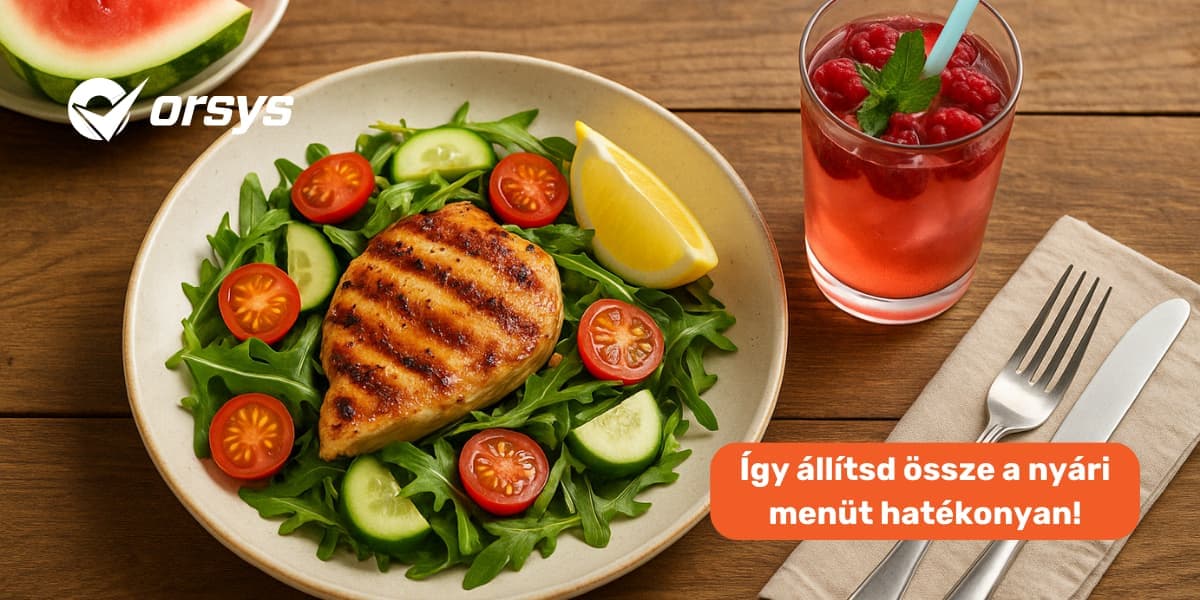
Summer is a distinct season in hospitality. Business increases, kitchen temperatures soar and guests search for the terrace with the best atmosphere.
If you have just started out or are creating your first summer menu, you need to learn how this period works. A menu that succeeded in winter or spring may now be too heavy, too slow or too long.
This article walks through every consideration for an effective, appealing and economical summer menu. We look at it through the eyes of guests, the chef, bar staff and you, the owner.
An effective summer menu depends on planning, not luck.
Start with the basics: what is a seasonal menu for?
A summer menu goes beyond the idea that hot weather calls for light food.
A good seasonal menu:
- adapts to ingredient availability and prices,
- responds to guests' summer preferences,
- increases basket value, for example through refreshing drink pairings,
- and is quicker to prepare in the kitchen, which helps during the summer rush and earns the staff's gratitude.
Using ingredients economically
Many fresh ingredients are available in summer, usually more cheaply than in colder seasons.
Use seasonal vegetables and fruit from local producers, such as:
- courgettes, aubergines, peppers, tomatoes and new potatoes,
- strawberries, raspberries, blueberries, peaches and melons,
- fresh herbs such as mint, basil and coriander.
Tip: Think locally and build long-term supplier relationships! Buying peaches or tomatoes from a nearby producer puts fresher ingredients on the plate and gives your dish a story. A good menu description might say: "We source the fruit selection for our homemade crumble from local small producers."
This is honest, appealing communication that connects with guests far better than a simple "peach dessert". You can even name the producer where possible. Guests will appreciate it.
A positive summer guest experience means freshness and speed
Guests make particular choices in summer:
- shorter meals because of terraces, activities and the beach,
- lighter food because of heat, diets and swimsuit season.
That is why these work well:
- salads, such as grilled chicken, goat's cheese or watermelon variations,
- cold soups, including fruit soup and gazpacho,
- light grilled meat and fish,
- quick dishes inspired by street food, such as wraps, pitas and pulled pork sandwiches.
It is better to avoid:
- overly heavy, fatty dishes,
- dishes with long preparation times, such as a 30-minute cooking time that neither guests want to wait for nor chefs want to prepare.
Summer drinks: a major upselling opportunity
Most restaurants miss revenue opportunities in one area: their drinks selection. This is especially noticeable in summer.
In hot weather, guests drink more, are more willing to try something new and are easier to persuade to have another glass if the drink:
- looks good,
- is special without being overcomplicated,
- and provides an experience as well as quenching thirst.
A well-used summer drinks menu can therefore make a major contribution to profit.
Refreshments: lemonades, cordials and mocktails
- Go beyond plain, elderflower and strawberry homemade lemonade.
Create flavour pairings, add colour and garnishes, and experiment with names:- Lavender and blueberry lemonade
- Raspberry and rosewater summer spritz
- Cucumber and lemon balm cooler
Communication tip: Describe the mood as well as the flavours!
For example: "Fancy something extra refreshing? Try our summer citrus cooler with mint and ice."
Cold coffees: refreshing caffeine
Many people do not want a hot espresso at 30 degrees, although it can be good, but do not want to give up coffee either.
This is where cold brew and iced lattes work well.
Add some creativity:
- Caramel almond milk,
- Iced coffee with vanilla ice cream, or even a light affogato,
- Espresso tonic: coffee, tonic and ice, perhaps with a little lemon. Yes, it works! 😉
Extra tip: Use a tall, decorative glass and an attractive garnish. Guests photograph it, post it and advertise for you free of charge.
Alcohol-free specialities are growing in popularity
The guest who says "I don't drink alcohol, but I'd like something more interesting than peach juice" matters too.
Offer alcohol-free alternatives:
- fruity mojitos with lime, mint, lemon and soda,
- ginger, orange and lime spritz,
- alcohol-free gin-and-tonic-style mixes.
Wine spritzers, light wines and craft beers: refreshments for adults
A well-priced wine pairing helps twice, increasing spending and improving the guest experience.
Suggest a pairing with the menu, such as a glass of light Irsai with grilled trout, or recommend your own wine spritzer variations.
Tip: Bundle a drink with the meal, for example lunch plus homemade cordial or a wine spritzer for a fixed price. Simple and effective.
How does this become a real source of profit?
- Lower ingredient costs and higher margins. A lemonade can now easily be priced above HUF 1,000.
- Additional orders. Someone who has finished eating may happily order another drink if the server recommends it well.
- Differentiation. Most places offer the same drinks. Serving something different, differently and better makes you more memorable.
Presentation drives sales
A drink's appearance matters at least as much as its flavour:
- a colourful straw, mint sprig or citrus slice,
- glassware rather than plastic, for appearance and environmental awareness,
- service from a separate counter or drinks station, where the sight attracts curiosity.
Guests often do not know what to order. Train servers specifically in recommending drinks, an area that often receives too little attention!
Menu: less is more
Keep the summer menu shorter and more focused. You do not need 45 dishes. A general recommendation:
- 3–4 starters or soups
- 6–8 main courses
- 3–4 desserts
- 5–6 speciality drinks
Why? This way:
- you reduce ingredient costs,
- speed up service,
- make staff training easier,
- and help guests choose.
A summer menu is more than a printed list
Tell guests about the dishes instead of merely listing them!
- Write creative, appetising descriptions: "Grilled goat's cheese on honeyed walnuts with fresh rocket."
- Use pictures and icons: 🌱 vegetarian, 🌶️ spicy, ❄️ served cold.
- Add colour. Summer menus can use yellow, mint and sea blue instead of classic black-and-white elegance.
- Provide a digital version accessible through a QR code or online!
Finally: measure, observe and adjust
The summer menu is not set in stone. Watch:
- what sells well,
- what guests order again,
- what they leave on the plate.
Use guest reviews, kitchen feedback and even bar staff's stories. They hear most comments.
If a dish is not selling after 1–2 weeks, change it!
A summer menu that really works
An effective summer menu is creative, light and ideally demonstrates sound business judgement. It accounts for the season, puts guests first and avoids making staff's lives unnecessarily difficult. Summer offers every opportunity to succeed in revenue and guest reviews. However, tempers can easily rise in the heat, so plan sensibly and ahead of time to keep everything running smoothly.
Last updated:
Do you need professional software?
Try it without commitment and request our free demo.
- Simple to use and quick to learn,
- Professional solutions for every size,
- Saves time and energy for you and your team.